
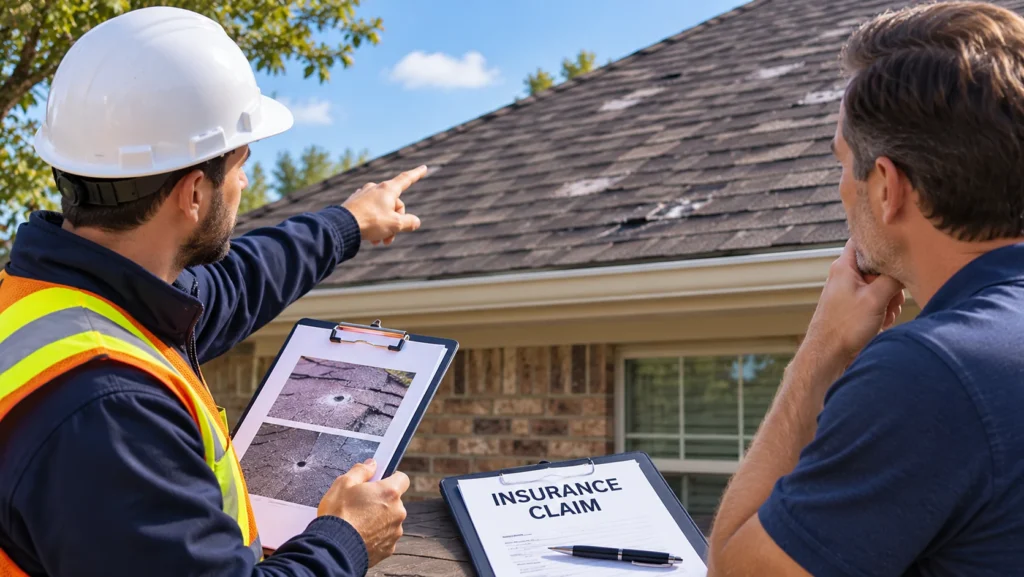
Texas homeowners are no strangers to severe weather. Hailstorms, strong winds, and thunderstorms can cause significant roof damage, sometimes without homeowners immediately noticing the problem. When roofing materials are damaged, understanding how to work with your insurance company can make the repair process easier to manage.
However, filing a roof insurance claim involves more than simply contacting your insurance provider. Homeowners need to document the damage, understand their policy, arrange inspections, review repair estimates, and follow the insurer’s requirements before work is completed.
Understanding the roof insurance claim process Texas homeowners typically follow can help you avoid common mistakes and make more informed decisions about your property.
Whether your roof has experienced hail damage or wind-related issues, this guide explains each step, what documentation you should prepare, and when to contact an experienced roofing contractor.
What Types of Roof Damage Does Homeowners Insurance Cover?
Before starting an insurance claim, it is important to understand what your homeowners policy actually covers.
Many Texas homeowners policies cover sudden roof damage caused by specific weather events, including hailstorms and windstorms. However, coverage depends on the policy terms, exclusions, deductibles, and condition of the existing roof.
Common examples of potentially covered damage include:
- Hail damage: Hailstones can crack shingles, damage roofing materials, and affect flashing or other roof components.
- Wind damage: Strong winds can lift, loosen, or completely remove shingles and other roofing materials.
- Falling tree damage: A tree or large branch falling onto the roof during a storm may cause structural damage.
- Storm-related water intrusion: Rain entering through an opening created by a covered storm event may qualify for coverage.
However, insurance generally does not cover roof replacement simply because a roof is old, worn out, or poorly maintained. Pre-existing deterioration and ordinary wear and tear are commonly excluded.
The Texas Department of Insurance recommends reviewing your policy carefully to understand the specific protection available for your roof.
[cta]
Step 1: Inspect Your Roof After a Storm
After a significant hailstorm or windstorm, check your property for visible signs of roofing damage.
You do not need to climb onto the roof. Instead, walk around your home and look for warning signs from the ground.
Pay attention to:
- Missing or displaced shingles.
- Dented gutters and downspouts.
- Damaged siding or exterior components.
- Shingle granules collecting around drainage areas.
- Broken tree branches or debris around the property.
- Water stains on ceilings or upper walls.
If you notice potential damage, consider arranging a professional roof inspection.
Homeowners in North Dallas-Fort Worth can explore Qualitas Roofing’s roofing services to learn about available inspection and repair solutions.
Step 2: Review Your Insurance Policy
Before filing a claim, review your homeowners insurance policy and understand the applicable coverage.
Pay particular attention to the following details:
Replacement Cost Coverage (RCV): This coverage generally pays the reasonable cost to repair or replace covered damage using current prices, subject to policy conditions, limits, and deductibles. The insurer may initially withhold depreciation and release it after qualifying repairs are completed.
Actual Cash Value (ACV): This coverage considers depreciation based on the roof’s age and condition. As a result, your insurance payment may be lower than the full replacement cost.
Deductible: This is the amount you must pay toward a covered claim. Some Texas policies have separate wind and hail deductibles, which may be a percentage of your home’s insured value rather than a fixed dollar amount.
Also review filing deadlines, exclusions, roof coverage limitations, and any requirements for submitting documentation.
Understanding these details helps you estimate potential out-of-pocket expenses before proceeding.
Step 3: Document the Roof Damage
Proper roof claim documentation is important when communicating with your insurance company.
Take photographs and videos of visible damage, both inside and outside your property. Record the date of the storm and keep notes about when you first noticed the problem.
Your documentation should include:
- Photographs of damaged roofing materials, gutters, and exterior areas.
- Pictures of interior water stains or ceiling damage.
- The approximate date and details of the weather event.
- Previous roof inspection reports, if available.
- Receipts for temporary repairs and other related expenses.
Keep copies of all documents in one location so you can easily provide them when requested.
If water is entering your home, arrange reasonable temporary measures to prevent further damage. For example, you may need emergency tarping or temporary protection. Keep receipts and photographs of this work.
Do not delay necessary emergency protection while waiting for an adjuster’s visit.
Step 4: File Your Insurance Claim
Once you have identified potential storm damage and reviewed your policy, contact your insurance company to report the incident.
Most providers allow homeowners to file claims through their website, mobile application, or customer service department.
During the process, you may need to provide:
- Your insurance policy number.
- The approximate date of the storm.
- A description of the damage.
- Supporting photographs and videos.
- Your property address and contact information.
After submitting the claim, record your claim number and the insurance representative’s contact details.
Texas law establishes deadlines for insurers to acknowledge and investigate claims. The Texas Department of Insurance generally describes a 15-business-day acknowledgment period and a decision deadline after the insurer receives the requested information, subject to applicable extensions and exceptions.
File your claim as soon as possible because individual policies may have specific reporting requirements.
Step 5: Schedule the Insurance Adjuster’s Inspection
After receiving your claim, the insurance company may assign an adjuster to inspect the property.
The adjuster evaluates the reported damage, considers the available documentation, and determines which repairs may qualify under your policy.
During the inspection:
- Point out all known areas of concern.
- Show photographs and videos of the damage.
- Explain when you noticed the problem.
- Mention any previous repairs or existing roof issues.
- Ask questions about areas that require further evaluation.
Homeowners can also arrange an independent roofing inspection to obtain a separate assessment of the roof’s physical condition.
It is helpful to have your roofing contractor present during the insurance inspection when possible. The contractor can identify visible roofing damage, explain construction-related findings, and discuss technical differences with the adjuster.
Step 6: Review the Insurance Estimate
After the inspection, your insurance company will communicate its coverage decision and provide an estimate if the claim is approved in whole or in part.
Do not assume the initial estimate automatically includes every necessary repair.
Review the document carefully for:
- Damaged roofing areas included in the estimate.
- Roofing materials and replacement quantities.
- Labor and related repair costs.
- Applicable depreciation.
- Deductible calculations.
- Additional work required to complete the repairs.
If your contractor identifies storm-related damage that is not included in the insurance estimate, discuss the differences with your insurance company.
You can submit supporting photographs, measurements, contractor estimates, and other relevant documentation for further review.
Remember that approval of a roof replacement through insurance depends on the actual covered damage and the terms of your policy. An insurer may approve localized repairs rather than replacing the entire roof.
Step 7: Complete Approved Roof Repairs or Replacement
Once coverage and repair arrangements are established, you can move forward with the approved roofing work.
Choose an experienced roofing contractor who understands local roofing requirements and can provide a detailed written proposal.
Qualitas Roofing offers roof insurance claim services to help homeowners understand roofing damage and the repair process.
For properties affected by severe storms, its hail damage roof repair services in DFW provide information about available roofing solutions.
After the work is completed, retain your contract, invoices, photographs, warranties, and proof of deductible payment.
If your policy includes recoverable depreciation, submit the required invoices and completion documents within the insurer’s specified deadline to request any remaining eligible payment.
Common Mistakes to Avoid During a Roof Insurance Claim
Even when homeowners have legitimate storm damage, certain mistakes can complicate the claim process.
Avoid these common issues:
- Waiting too long to report damage: Delayed reporting may create difficulties with policy deadlines and damage documentation.
- Ignoring policy details: Failing to understand deductibles, exclusions, and depreciation can lead to unexpected expenses.
- Making permanent repairs before documenting damage: Photograph the affected areas before repairs whenever safe and practical.
- Accepting estimates without reviewing them: Make sure the proposed scope addresses all documented covered damage.
- Working with unreliable contractors: Verify references, written agreements, and business information before signing.
- Agreeing to deductible waivers: Texas law prohibits contractors from waiving or absorbing a homeowner’s property insurance deductible.
Another important point is that Texas roofing contractors cannot act as public insurance adjusters or negotiate claim settlements on a homeowner’s behalf when providing or potentially providing roofing services on that property. Contractors can, however, provide repair estimates and discuss technical findings with the insurer.
[cta]
Frequently Asked Questions
1. Does homeowners insurance cover roof replacement in Texas?
Homeowners insurance may cover roof replacement when a covered event, such as hail or wind damage, causes sufficient damage to justify replacement under the policy. However, coverage depends on the policy terms, deductible, exclusions, and roof condition. Normal aging and wear and tear are generally not covered.
2. How long does the roof insurance claim process take in Texas?
The timeline depends on the extent of the damage, inspection scheduling, documentation requirements, and insurance company review. Texas law establishes deadlines for claim acknowledgment, investigation, and decisions, with applicable extensions and exceptions. Complex claims or severe-weather events may take longer to resolve.
3. Will insurance pay for a completely new roof after hail damage?
Not necessarily. The insurer evaluates the documented damage and determines whether repairs or complete replacement are justified under the policy. Minor or localized damage may qualify only for repairs, while extensive covered damage may support a full replacement.
4. What is the difference between replacement cost and actual cash value?
Replacement cost coverage generally pays eligible repair or replacement costs without subtracting depreciation, subject to the policy terms. Actual cash value coverage subtracts depreciation based on the roof’s age and condition. This difference can significantly affect your final out-of-pocket expenses.
5. Can I choose my own roofing contractor for an insurance claim?
Homeowners can generally choose their own roofing contractor, subject to applicable policy requirements. It is advisable to select an experienced company that provides detailed estimates, written agreements, and documentation of completed work. Your insurance company makes the coverage decision.
6. What should I do if my roof insurance claim is denied?
Request a written explanation of the denial and review the policy provisions cited by the insurer. You can provide additional photographs, inspection findings, and supporting documentation if you believe relevant damage was overlooked. You may also contact the Texas Department of Insurance or consult a qualified professional for further guidance.
Get Professional Help With Your Texas Roof Insurance Claim
Dealing with roof damage after a Texas storm can be stressful, particularly when you are unfamiliar with insurance requirements and repair procedures.
Understanding the roof insurance claim process helps homeowners document damage, communicate with insurance providers, review estimates, and make informed repair decisions.
At Qualitas Roofing, homeowners can explore roofing solutions and learn more about protecting their properties from storm-related damage.
You can also learn more about the company or explore its service areas to see whether your property is within its coverage area.
For additional roofing information, visit the Qualitas Roofing blog.
Whether you are dealing with hail damage, wind damage, or an existing roof concern, getting a professional assessment is a practical first step. Visit the Qualitas Roofing contact page to discuss your roofing needs and arrange an inspection.