
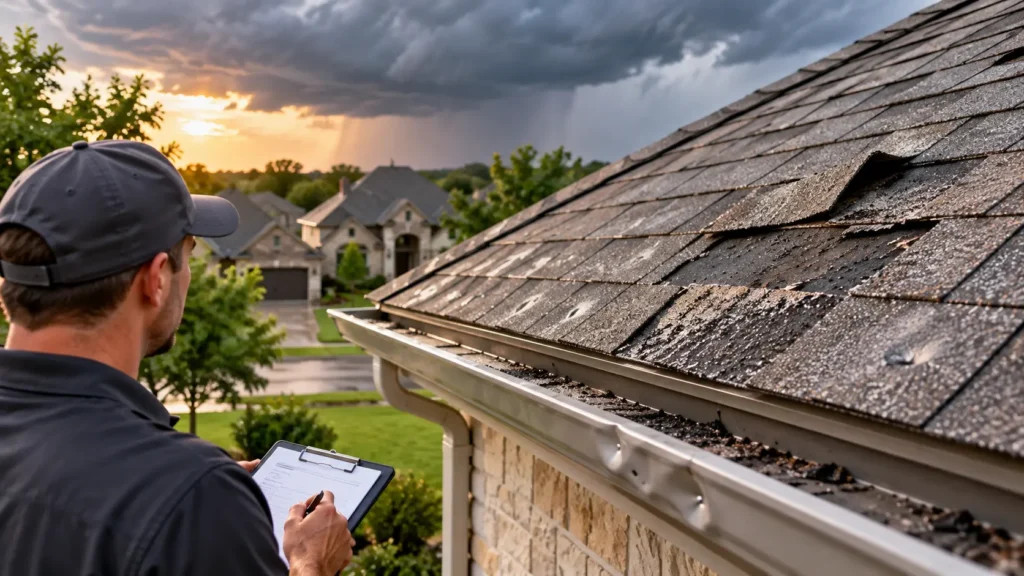
Texas weather can change quickly, and strong thunderstorms, high winds, hail, and heavy rain can leave your roof with damage that is not always easy to notice from the ground. For Keller homeowners, checking your roof after a major storm is especially important before fall weather brings additional rain and wind.
Knowing the roof storm damage signs to look for can help you identify problems early, prevent further property damage, and determine when professional repairs may be necessary. Some issues are obvious, while others can remain hidden until they develop into leaks or structural problems.
Whether you recently experienced a severe storm or simply want to prepare your home for the months ahead, this inspection guide will help you understand how to spot roof damage after a storm.
Why You Should Inspect Your Roof After a Storm
Even when your roof appears normal, a storm can cause damage to shingles, flashing, vents, gutters, and other roofing components. Hail can create small impact marks, while strong wind can loosen or lift shingles. Heavy rain can also expose existing weaknesses in the roofing system.
Ignoring storm-related damage may allow moisture to enter your home over time. Small roofing problems can eventually affect ceilings, insulation, walls, and other parts of your property.
Keller homeowners can learn more about available roofing services through Qualitas Roofing and request professional assistance when a storm inspection reveals potential problems.
7 Roof Storm Damage Signs to Look For
1. Missing or Loose Shingles
One of the most visible roof storm damage signs is missing, lifted, or loose shingles. Strong wind can loosen shingles or tear them completely away from the roof.
Look at your roof from the ground for areas that appear uneven or have obvious gaps. You may also find shingles or roofing materials in your yard after a storm.
Do not climb onto the roof yourself to investigate. Damaged areas can be unstable, and walking across roofing materials can cause additional damage.
2. Hail Marks and Bruised Shingles
Hail damage is not always dramatic. Small hailstones can leave dents, cracks, or bruised areas across shingles without immediately creating a leak.
Some natural signs of hail damage on roof surfaces include circular impact marks, exposed asphalt, cracked shingles, or areas where the protective granules have been knocked away.
Because hail damage can be difficult to identify from the ground, a professional inspection can help determine whether your roof needs repairs. Qualitas Roofing provides specialized information and services for hail damage roof repair in DFW.
3. Damaged Flashing, Vents, and Other Roof Components
Storms can damage much more than shingles. Metal flashing around chimneys, skylights, vents, and other roof penetrations can bend or become loose.
You should also look for visible damage to roof vents, pipe boots, ridge caps, and other exposed components.
These areas are important because they help direct water away from vulnerable points. If storm damage compromises them, rainwater may enter the roof system even when the shingles look intact.
[cta]
4. Granules in Gutters or Around Downspouts
After a severe storm, check your gutters and downspouts for an unusual amount of roofing granules.
Shingle granules help protect roofing materials from weather exposure. Excessive granule loss can indicate that shingles experienced impact or surface damage during the storm.
A small amount of granules may occur naturally as a roof ages, but a sudden increase following hail or severe weather is worth investigating.
5. Water Stains or Leaks Inside Your Home
Sometimes the first indication of storm damage is actually inside the house.
Check ceilings, attic areas, and upper walls for water stains, damp insulation, dripping water, or discoloration. These signs may indicate that rain has entered through damaged roofing materials.
If you notice active leaking, address it promptly. Water intrusion can become more extensive when left untreated.
6. Bent or Damaged Gutters
Gutters can provide useful clues when evaluating storm damage. Hail and strong winds may dent, bend, or loosen gutters and downspouts.
Look for dents, detached sections, unusual sagging, or areas where the gutter system no longer appears properly aligned.
While gutter damage does not automatically mean the roof is damaged, it can be an additional reason to have the entire exterior inspected after a major storm.
7. Shingle Debris Around Your Property
Walk around your property and inspect landscaping, patios, driveways, and other areas for roofing debris.
Finding pieces of shingles, flashing, or other roofing materials in your yard can indicate that high winds damaged the roof.
This is particularly important after storms with strong wind gusts. A professional wind damage roof inspection in Texas can help determine whether materials were lifted, loosened, or otherwise compromised.
How to Spot Roof Damage After a Storm Safely
Homeowners can perform a basic visual inspection from the ground, but climbing onto the roof is not recommended unless you are trained and equipped to do so.
Use binoculars to examine visible sections of the roof from a safe location. Check for missing shingles, unusual dark spots, exposed areas, damaged vents, and obvious debris.
Inside the home, inspect the attic and ceilings for signs of moisture. You should also check the gutters for excessive granules and look around the property for roofing debris.
These observations can help you determine how to spot roof damage after a storm, but they cannot replace a professional inspection. Some hail impacts, lifted shingles, and underlying moisture issues may not be visible without a closer evaluation.
When to Call a Roofer After a Storm
Many homeowners wonder when to call a roofer after a storm. The answer depends on what you observe and how severe the weather was.
You should consider contacting a roofing professional when you notice missing shingles, visible hail marks, leaks, damaged flashing, roof debris, or other signs of potential storm impact.
Even when there is no obvious damage, a professional inspection can be useful after a major hailstorm or high-wind event. Early detection can help prevent a minor roofing issue from developing into a larger repair.
You can learn more about Qualitas Roofing and its experience on the About page or explore the company’s service areas to see how roofing assistance is provided throughout the region.
Understanding a Roof Storm Damage Insurance Claim
Storm-related roof repairs may involve an insurance claim, depending on your policy, the nature of the damage, and the circumstances surrounding the storm.
Before making a roof storm damage insurance claim, document what you can safely observe. Take photographs of visible damage, roofing debris, damaged exterior components, and interior water stains. Keep records of the storm date and any temporary repairs performed to prevent additional damage.
Avoid making major permanent repairs before the damage has been properly documented and evaluated. Your insurance company may have specific requirements for inspections, documentation, and claims.
A roofing contractor can also help identify visible damage and provide information about the condition of your roof. However, your insurer ultimately determines coverage according to your policy.
Why Fall Is a Good Time for a Roof Inspection
Fall is an ideal time to address roof problems before seasonal weather becomes more challenging.
If your Keller home experienced hail or high winds earlier in the year, damage that seems minor today could become more noticeable during future rainstorms. Loose shingles, damaged flashing, and compromised roofing materials can allow water to enter when additional storms arrive.
Scheduling an inspection before fall gives homeowners an opportunity to identify concerns and plan necessary maintenance or repairs.
For more roofing information and maintenance advice, visit the Qualitas Roofing blog.
Protect Your Keller Home Before the Next Storm
Understanding the most common roof storm damage signs can help Keller homeowners respond quickly after severe weather. Missing shingles, hail impacts, damaged flashing, water stains, excessive granules, and roofing debris can all indicate that your roof needs closer attention.
A quick visual inspection can provide useful clues, but professional evaluation is important when damage may be hidden or difficult to identify.
If your roof has recently been exposed to hail, wind, or severe storms, contacting a qualified storm damage roofing contractor in Keller TX can help you understand the condition of your roofing system and what steps should come next.
To discuss your roof or schedule an inspection, visit the Qualitas Roofing contact page.
[cta]
Frequently asked questions
1. What are the most common roof storm damage signs?
Common signs include missing or loose shingles, hail impact marks, damaged flashing, bent gutters, roof debris, excessive granules, and water stains inside the home. Some storm damage can be hidden, so a professional inspection may be necessary even when visible damage is limited.
2. How can I tell if my roof has hail damage?
Look for dents, circular impact marks, cracked shingles, exposed areas, and unusual granule loss. Hail damage can sometimes be subtle and difficult to identify from the ground, which is why a professional roof inspection can be helpful after a significant hailstorm.
3. Should I inspect my roof after every major storm?
A visual inspection from the ground is a good precaution after severe weather, particularly after hail or strong winds. Look for obvious exterior damage and check your ceilings and attic for signs of water intrusion. Professional inspections are recommended when you suspect damage.
4. How does a roof storm damage insurance claim work?
The process typically involves documenting the damage, contacting your insurance company, arranging an inspection, and providing supporting information for the claim. Coverage depends on the terms of your insurance policy and the cause and extent of the damage.
5. When should I call a roofer after a storm?
Call a roofer when you notice missing shingles, visible hail damage, leaks, damaged flashing, roofing debris, or other unusual changes after severe weather. An inspection can also be worthwhile when a major storm occurred but the damage is not immediately visible.
6. How often should I get my roof inspected after storms?
There is no single schedule that fits every home, but inspections are particularly useful after major hailstorms, high-wind events, or severe weather. Regular inspections can also help identify aging or maintenance issues before they become larger problems.