
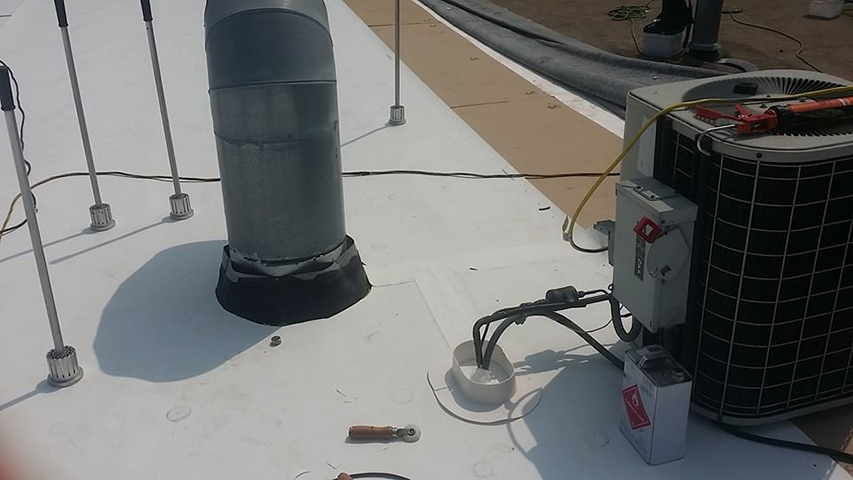
Your roof is one of the most important parts of your home. It protects your family, belongings, and property from rain, wind, heat, and other weather conditions. However, even a well-installed roof can eventually develop problems due to age, severe weather, poor ventilation, or inadequate maintenance.
Professional roofing services can help identify problems early, repair existing damage, and determine when a roof needs replacement. Understanding the different types of roofing services and knowing when to call a professional can help homeowners avoid expensive damage and extend the life of their roof.
What Are Roofing Services?
Roofing services include the professional work required to install, maintain, repair, inspect, and replace residential or commercial roofing systems. Depending on the condition and type of roof, a roofing contractor may provide anything from minor leak repairs to complete roof replacement.
Common roofing services include:
- Roof inspections
- Roof repair
- Roof replacement
- New roof installation
- Storm damage repair
- Shingle replacement
- Flashing repair
- Roof leak detection
- Roof maintenance
- Gutter and drainage-related roofing work
- Roof ventilation improvements
A professional roofing contractor can evaluate the roof and recommend the most appropriate solution based on its age, condition, materials, and extent of damage.
Signs Your Roof May Need Professional Attention
Roof problems are not always obvious from inside the home. Some damage begins underneath shingles or around flashing before it becomes a major issue. Regular inspections can help identify these problems earlier.
Water Stains on Ceilings or Walls
Brown, yellow, or discolored areas on ceilings and walls may indicate water entering through the roofing system. Even a small stain should not be ignored because a minor leak can eventually contribute to damaged insulation, drywall, wood, or other structural components.
Missing or Damaged Shingles
Strong winds, hail, falling branches, and normal aging can damage roofing shingles. Missing, cracked, curled, or broken shingles can allow moisture to reach the underlying roofing materials.
Sagging Roof Areas
A roof that appears to sag may indicate moisture damage, deterioration of structural materials, or another serious issue. Sagging should be evaluated by a qualified roofing professional as soon as possible.
Granules in Gutters
Asphalt shingles naturally lose some granules over time, but excessive granule accumulation in gutters can be a sign that the shingles are deteriorating and may need professional evaluation.
Increased Energy Bills
A poorly ventilated or damaged roof can contribute to inefficient temperature control in the home. While higher energy costs can have many causes, roofing and attic ventilation should be considered when investigating unexplained changes.
Roof Repair vs. Roof Replacement
One of the most common questions homeowners have is whether they should repair their existing roof or replace it entirely.
Roof repair may be appropriate when the damage is limited to a small area and the rest of the roofing system remains in good condition. Examples include replacing a few damaged shingles, repairing flashing, or addressing a localized leak.
Roof replacement may be more appropriate when the roof is reaching the end of its expected service life, has widespread damage, or has experienced repeated problems. Multiple leaks, extensive shingle deterioration, structural concerns, and significant storm damage can all indicate that replacement should be considered.
A professional inspection is the best way to determine which option makes sense. Replacing a roof that only needs a minor repair can be unnecessarily expensive, while repeatedly repairing an aging roof can become more costly over time.
Why Professional Roof Installation Matters
A new roof is a significant investment, and proper installation is essential for its performance and longevity.
Professional roof installation involves more than simply placing new shingles over a structure. The roofing system may include underlayment, flashing, ventilation components, decking, shingles or other roofing materials, and drainage elements.
Experienced roofing contractors understand how these components work together. Proper installation can help reduce the risk of leaks, premature deterioration, and other roofing problems.
Professional installation also helps ensure that the selected roofing materials are appropriate for the property’s design, climate, slope, and structural requirements.
How Weather Can Damage Your Roof
Weather is one of the most significant sources of roofing damage. Heavy rain can expose weak areas and cause leaks, while strong winds can loosen or remove shingles.
Hail can create dents, cracks, and other damage that may not always be visible from the ground. Falling branches can cause punctures or structural damage. Prolonged exposure to sunlight and heat can also contribute to material deterioration.
After severe weather, homeowners should consider scheduling a professional roof inspection, particularly if they notice missing shingles, leaks, debris, or other visible damage.
The Importance of Roof Maintenance
Regular maintenance can help extend the useful life of a roofing system. Maintenance does not necessarily mean making major repairs every year. Instead, it involves identifying small problems before they become larger ones.
A roofing professional may check for:
- Damaged or missing shingles
- Loose or deteriorated flashing
- Signs of water intrusion
- Damaged roof decking
- Blocked drainage areas
- Problems around vents, chimneys, or skylights
- Signs of inadequate attic ventilation
- General deterioration of roofing materials
Addressing minor problems early can help reduce the possibility of more extensive damage later.
Choosing the Right Roofing Contractor
Selecting a qualified roofing contractor is an important part of any roofing project. Homeowners should look beyond the lowest estimate and consider the contractor’s experience, workmanship, communication, and reputation.
Before hiring a contractor, consider asking:
- How long have you been providing roofing services?
- Are you properly licensed or qualified for work in my area?
- Do you carry appropriate insurance?
- What roofing materials do you recommend and why?
- Will you provide a detailed written estimate?
- What is included in the project?
- What warranties are available?
- How will unexpected damage be handled?
- How long is the expected project timeline?
A detailed estimate should clearly explain the scope of work, materials, labor, and other applicable costs.
How to Prepare for a Roofing Project
Once you decide to repair or replace your roof, a little preparation can make the process easier.
Move valuable or fragile items away from areas directly below the roof work. Roofing projects can create vibration and noise, so homeowners should plan accordingly. Outdoor furniture, vehicles, and other items may also need to be moved away from the work area.
It is also useful to discuss access, cleanup, project duration, material delivery, and weather-related delays with the contractor before work begins.
Why Prompt Roofing Repairs Matter
Ignoring roofing damage rarely makes the problem disappear. A small leak can allow moisture to spread into insulation, drywall, framing, or other parts of the home.
Prompt repairs can help prevent a localized issue from developing into a much larger project. If you notice signs of roof damage, contacting a professional for an inspection can help determine the appropriate next step.
Frequently asked questions
How often should I have my roof inspected?
A professional roof inspection at least once a year can help identify developing problems. It is also advisable to schedule an inspection after significant storms or severe weather, especially if you notice visible damage or signs of water intrusion.
How do I know if my roof needs repair or replacement?
The decision depends on the roof’s age, overall condition, extent of damage, and history of previous repairs. Minor, localized damage may be repairable, while widespread deterioration or an aging roof may make replacement more practical. A professional inspection can provide a more accurate recommendation.
How long does a roof typically last?
Roof lifespan varies depending on the roofing material, installation quality, climate, maintenance, and exposure to weather. Asphalt shingle roofs can commonly last for several decades, while some premium roofing materials can last considerably longer when properly installed and maintained.
Can a small roof leak cause serious damage?
Yes. Even a small leak can allow moisture to enter the roofing structure and interior of the home. Over time, water can damage insulation, drywall, wood, and other materials. Addressing leaks promptly can help limit the extent and cost of damage.
Should I inspect my roof after a storm?
Yes. Severe wind, hail, heavy rain, and falling debris can cause roofing damage that is difficult to see from the ground. A professional inspection can identify damaged shingles, flashing, or other roofing components and help determine whether repairs are necessary.
What is included in a professional roofing service?
Depending on the project, roofing services can include inspection, leak detection, repairs, shingle replacement, flashing work, maintenance, storm damage repairs, installation, and complete roof replacement. The exact scope depends on the condition and type of roofing system.
How can I extend the life of my roof?
Regular inspections, prompt repairs, proper attic ventilation, effective drainage, and routine maintenance can help extend the life of a roof. Keeping gutters and drainage systems clear can also help prevent moisture-related problems.
Protect Your Home With Professional Roofing Services
Your roof plays a critical role in protecting your home from the elements. Whether you are dealing with a leak, storm damage, aging shingles, or planning a new roof installation, professional roofing services can help you make an informed decision.
Regular inspections and timely repairs can prevent small problems from becoming major issues. If you are concerned about the condition of your roof, schedule an evaluation with a qualified roofing professional to determine the best solution for your property.